
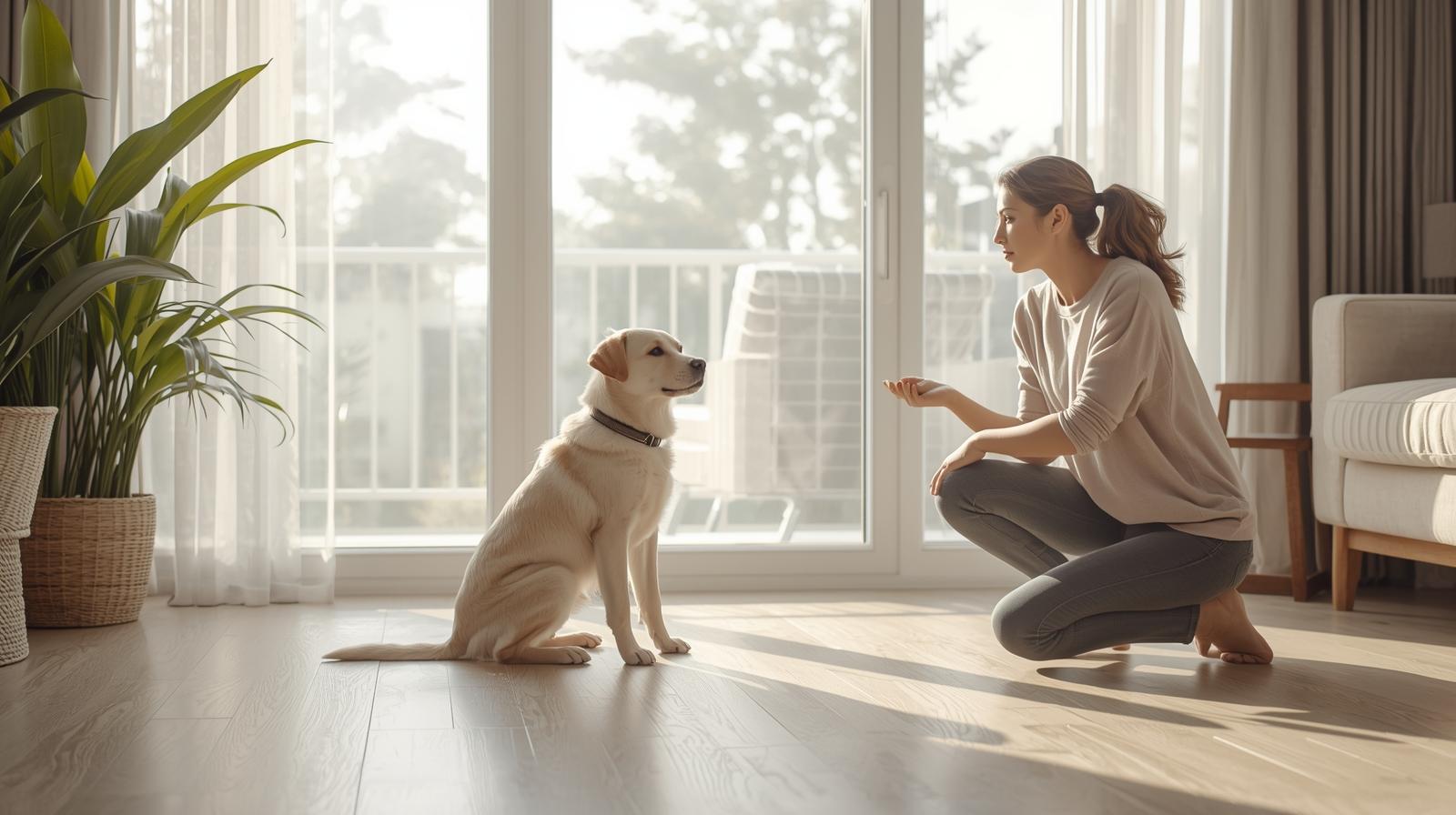
Basics House Training for Dogs
Initially, Basics House Training for Dogs marks the first true milestone in your journey as a pet owner. Whether you are welcoming a playful puppy or rehabilitating a rescue, this process forms the absolute foundation of a harmonious life together. However, many owners mistakenly view this phase as a struggle, when in reality, it is a biological conversation. With the right structure and consistent patience, you can transform a messy transition into a straightforward and even rewarding experience.
In fact, experts from the American Kennel Club confirm that a predictable routine and positive reinforcement serve as the twin pillars of success. Furthermore, these structured habits do more than just protect your floors; they actively reduce your pet’s stress and foster long-term obedience. Ultimately, effective Basics House Training for Dogs revolves around four critical actions:
- Establishing a strict, biology-based potty schedule.
- Supervising your pet’s movements with constant engagement.
- Reinforcing desired behavior, the split-second it happens.
- Preventing future accidents through proactive environment management.
House Training Basics for Dogs: The Real-World System That Actually Works
Let’s be honest: Most pets don’t fail their owners—homes fail pets.
I realize that statement might feel uncomfortable. Typically, I observe shoulders tighten and brows furrow when I share this truth during consultations. Yet, after 20 years in the field and thousands of hours of observation, the evidence is clear. Training collapses not because of a lack of canine intelligence, but because humans often underestimate how deeply routine and emotional security dictate a dog’s behavior.
At mypetspicks.com, we refuse to offer sugarcoated advice. Instead, we provide high-impact strategies for Basics House Training for Dogs that actually work when life gets busy and your patience wears thin. This guide strips away outdated myths and replaces them with a humane, sustainable system. By following this roadmap, you move beyond guesswork and become a reliable guide for your pet, ensuring a cleaner home and a much deeper bond.
Understanding Your Dog Before You Begin
Initially, mastering basic house training for dog owners requires a deep understanding of the animal standing in front of you. In fact, every pet is a unique individual, meaning a “one size fits all” strategy rarely succeeds. Factors like age, genetic breed traits, and physical health dictate the speed of their progress. By acknowledging these differences, you can customize the basic house training for dog techniques to match your pet’s specific needs and learning pace.
Age and Development Stages
Notably, puppies under 12 weeks old lack the physical maturity to hold their bladder for long. This behavior isn’t a sign of defiance; it is simply a biological reality. Generally, you should anticipate the following timelines:
- 8–10 weeks: Potty breaks are necessary every 1–2 hours.
- 3–4 months: Control usually extends to every 3–4 hours.
- 6 months: Most pets develop much stronger bladder control by this stage.
However, do not overlook older adopted dogs, as they often need a structured refresher. Fortunately, the core principles of basic house training for dog success remain effective at any stage of life, provided you maintain a steady routine.
Breed and Size Differences
Moreover, physical size plays a massive role in training frequency. Small breeds often have high metabolisms and tiny bladders, which consequently requires more frequent trips outside. Conversely, larger breeds may reach physical milestones slightly faster. Furthermore, if you own a high-energy working breed, remember that mental engagement is just as vital as the basic house training for dog routine. Otherwise, boredom might lead to “accidents” that have nothing to do with potty training and everything to do with pent-up energy.
Medical Considerations
Ultimately, if you apply a consistent routine and accidents still occur, it is time to consult a veterinarian. Organizations like the American Society for the Prevention of Cruelty to Animals (ASPCA) suggest ruling out issues such as urinary tract infections or anxiety disorders. Indeed, a healthy dog is a fast learner. Therefore, always start with a professional wellness check if your progress hits an unexpected wall.
Creating a Structured Potty Schedule
Initially, mastering basic house training for dog owners starts with a rock-solid daily structure. Without a predictable plan, your pet quickly becomes confused, leading to avoidable mistakes. Instead of reacting to accidents, you must proactively lead your dog through a set routine. In fact, a well-defined schedule serves as the primary tool to communicate your expectations clearly. Ultimately, consistency transforms a chaotic house into a disciplined environment.
Morning Routine
Typically, dogs experience their strongest urge to relieve themselves immediately upon waking. Therefore, you should escort your dog outside within five minutes of opening your eyes. During this window, ignore the urge to play or offer distractions; focus entirely on the “business” at hand. By prioritizing this first trip, you reinforce the most vital habit of basic house training for dog success right from the start of the day.
Feeding and Elimination Timing
In fact, biology follows a predictable pattern: what goes in must eventually come out. To manage this, you should provide meals at the exact same times every day to regulate your pet’s internal clock. Generally, most dogs need to eliminate within 15 to 30 minutes after eating. By synchronizing your trips outside with these feeding windows, you make basic house training for dog a seamless part of your daily life rather than a constant struggle.
Advanced House-Training Strategies
Initially, mastering basic house training for dog techniques requires moving beyond the simple “out and back” routine once you have solidified the essentials. In fact, you should now focus on leveling up your approach to handle real-world scenarios. By doing so, you ensure your pet remains reliable in every situation, from visiting friends to exploring new environments. Ultimately, these advanced methods transform a trained dog into a truly trustworthy life companion.
Transitioning to Outdoor Freedom
Typically, you should aim to gradually increase your pet’s unsupervised time indoors. However, start small by granting 10 to 15 minutes of freedom only after a successful potty break. If no accidents occur, you can confidently extend this window of trust. Furthermore, this controlled freedom strengthens long-term reliability within the basic house training for dog framework because it reinforces the habit of waiting for the right moment.
Training in Apartments
Moreover, apartment living demands an extra layer of strategic planning due to the lack of immediate backyard access. To succeed, you must identify designated outdoor zones and adhere to a strict elevator or stair-climbing schedule. While some owners consider temporary indoor pads, you should avoid prolonged use if your ultimate goal is outdoor elimination. Instead, prioritize frequent trips to ensure the basic house training for dog principles remain clear and consistent, even in a high-rise setting.
Long-Term Maintenance
Indeed, even the most disciplined dogs benefit from a lifelong routine because sudden lifestyle changes can often trigger a temporary regression. Therefore, you must maintain feeding consistency and monitor your pet’s stress levels during transitions. Ultimately, remember that basic house training for dog habits don’t simply stop; they evolve into a permanent, healthy structure that keeps your home clean and your bond unbreakable.
The Emotional Side No One Talks About
Initially, we must admit that basic house training for dog owners often feels like an exhausting emotional rollercoaster. In fact, very few people openly discuss the heavy toll of sleep deprivation, the sting of public embarrassment, or the constant trap of self-blame. Typically, you might find yourself comparing your pet’s progress to others and feeling like you are failing. However, frustration does not mean you are a bad owner; it simply proves your deep commitment to your pet’s success.
Furthermore, true success in basic house training for dog begins the moment you stop personalizing accidents. Your dog isn’t acting out of spite or trying to punish you for a long day at work. Instead, they are simply navigating their biological needs while waiting for you to provide a clearer path. Ultimately, while the basic house training for dog journey can drain your patience, remember that your pet never judges your mistakes. They only look to you for leadership, clarity, and a little bit of grace as you both learn to communicate.
Frequently Asked Questions
Initially, mastering basic house training for dog owners involves answering many common questions that arise during the process. In fact, having the right information can significantly speed up your pet’s learning curve. Below, we address the most pressing concerns to help you maintain a clean and happy home.
1.How long does house training take?
Typically, most puppies master basic house training for dog techniques within 4 to 6 months. However, some pets learn much sooner if you provide consistent supervision and a strict routine.
2. Can older rescue dogs learn house training?
Absolutely. The core principles of basic house training for dog success apply at any age. While older dogs might require a bit more patience, they often adapt quickly once they understand your expectations.
3. How often should I take my puppy out?
Initially, you should escort your puppy outside every 1 to 2 hours. Furthermore, you can gradually extend these intervals as their physical bladder control improves over time.
4. Should I use pee pads?
While pads offer temporary convenience, they can sometimes confuse your long-term outdoor goals. Instead, prioritize direct outdoor access to ensure the basic house training for dog habits stick permanently.
5. What if my dog keeps having accidents in the same spot?
Immediately clean the area with enzymatic cleaners and temporarily block access to that spot. Moreover, you should revisit the foundational steps of your routine to reinforce better habits.
6. Is punishment ever effective?
No. Research consistently proves that positive reinforcement is far more effective and humane. Ultimately, rewarding good behavior builds trust, whereas punishment only creates fear and confusion.
7. When can I trust my dog alone?
Generally, you can grant unsupervised freedom after your pet completes at least 4 to 8 consecutive weeks without a single accident. By waiting for this milestone, you ensure their training is truly solidified.
Conclusion
Initially, mastering basic house training for dog owners requires a blend of unwavering patience, solid structure, and a positive outlook. In fact, you should focus on progress rather than perfection. When you apply consistent schedules, active supervision, and genuine positive reinforcement, success naturally follows. As a result, accidents will decrease, your pet’s confidence will grow, and the bond between you will strengthen every single day.
Furthermore, staying committed to the plan is the key to lasting results. Instead of getting discouraged by setbacks, celebrate the small wins along the way. Before long, your pet won’t just understand the rules of basic house training for dog success—they will naturally live by them. Ultimately, providing this clear leadership is the true power behind a happy, clean, and harmonious home. By following these steps, you ensure that basic house training for dog habits become a permanent part of your pet’s life.